

The LDTI006 and LDTI006-Mini are two compact thermal imaging devices from LinduNV. Although their model names are similar, they are designed with different priorities.
The LDTI006 combines thermal imaging with an integrated laser rangefinder and red dot sight. The LDTI006-Mini takes a more compact approach, featuring a smaller body, touchscreen display and video recording.
So which one should you choose?
The main difference is not just detector resolution. It is how each device combines thermal imaging, additional functions and physical design.
1. Meet the Two LinduNV Thermal Imaging Devices
LDTI006: Thermal Imaging with Integrated Laser Rangefinding
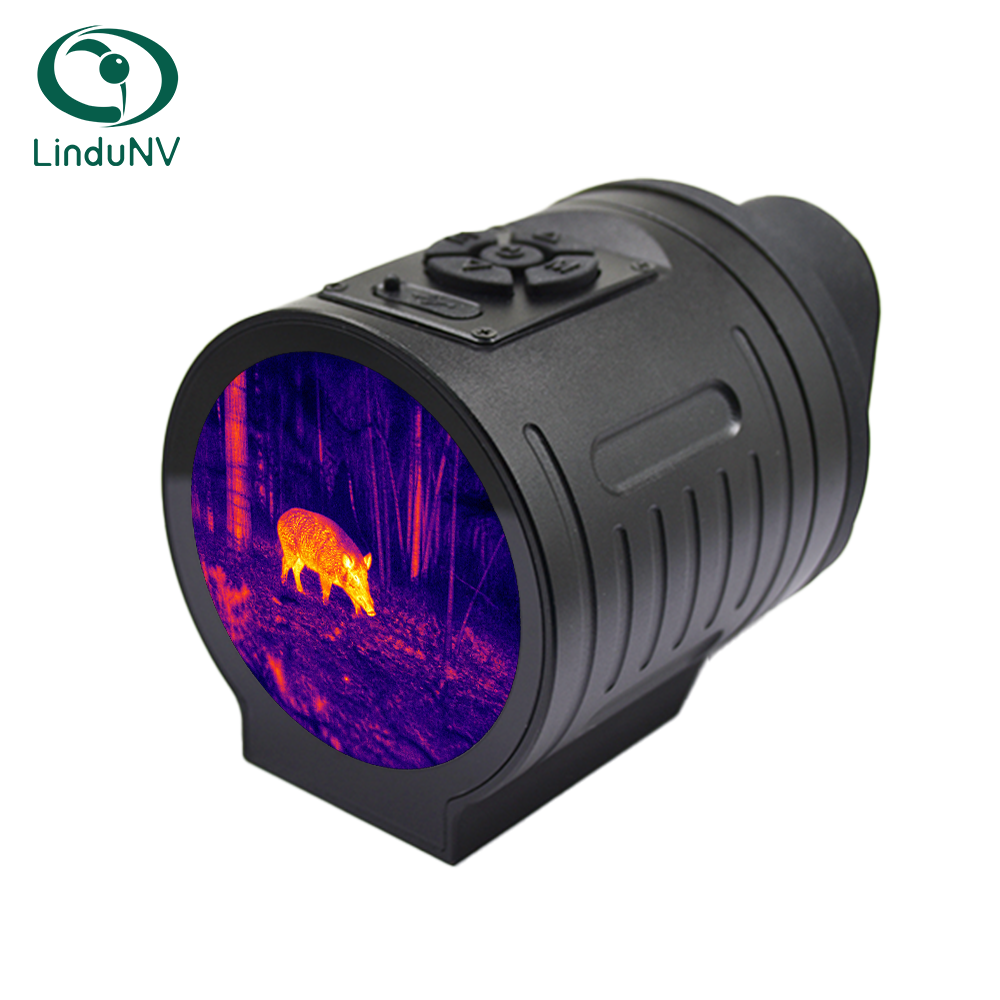
The LDTI006 is a compact 3-in-1 thermal imaging device combining three functions:
- Thermal imaging
- Pulse laser rangefinding
- Red dot sight
It uses a 320 × 240 thermal detector, a 12 μm pixel pitch and a 50 Hz refresh rate. Its integrated laser rangefinder supports measurements of up to 1,200 meters on buildings and at least 800 meters in forest environments, according to the published specifications.
The device can be used as a handheld thermal viewer or mounted through its integrated standard 20 mm rail base.
Its main advantage is the combination of thermal observation and distance measurement in one compact unit.
View LDTI006 Product Details →
LDTI006-Mini: Compact Thermal Imaging in a Smaller Format
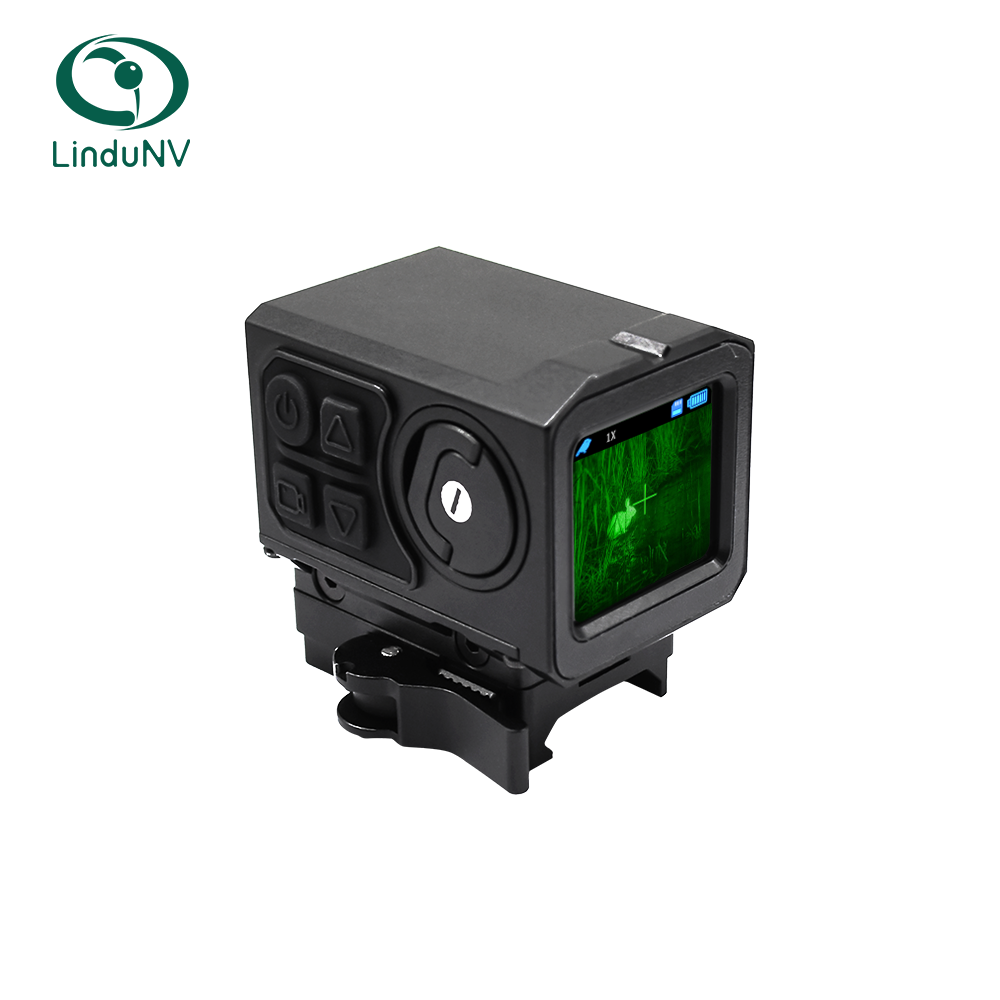
The LDTI006-Mini focuses on portability and straightforward thermal observation.
It uses a 256 × 192 thermal detector with a 12 μm pixel pitch and a 50 Hz refresh rate.
Unlike the LDTI006, the Mini features a 1.38-inch touchscreen with 400 × 400 resolution, video recording and a quick-release mounting base.
Its compact dimensions of 52 × 37 × 39 mm make it a different type of portable thermal imaging solution.
The Mini is particularly interesting for buyers who prioritize a compact body, simple operation and convenient image recording.
View LDTI006-Mini Product Details →
2. Technical Specifications Comparison
Here is a side-by-side comparison of the currently published specifications.
| Specification | LDTI006 | LDTI006-Mini |
| Detector Resolution | 320 × 240 | 256 × 192 |
| Pixel Pitch | 12 μm | 12 μm |
| NETD | <40 mK | Not specified |
| Refresh Rate | 50 Hz | 50 Hz |
| Objective Lens | 9.7 mm | 9.7 mm F1.0 |
| Field of View | 18.1° × 13.6° | 18° × 13.55° |
| Digital Zoom | 1× / 2× / 4× / 8× | 1× / 2× |
| Laser Rangefinder | Yes | Not listed |
| Red Dot Sight | Yes | Not listed |
| Video Recording | Not listed | Supported |
| Display | Not specified | 1.38-inch, 400 × 400 touchscreen |
| Protection | IP65 | IP66 |
| Weight | 275 g without battery | ≥110 g listed |
| Mounting | Standard 20 mm rail | Quick-release base |
The table highlights the main differences, but the two products should not be compared by detector resolution alone. Their integrated functions and physical designs are equally important.
3. Thermal Detector Resolution: 320 × 240 vs 256 × 192
One of the most obvious differences is the thermal detector resolution.
The LDTI006 uses a 320 × 240 detector, while the LDTI006-Mini uses a 256 × 192 detector.
The higher-resolution LDTI006 provides more native detector pixels. This can help preserve more spatial information when observing the same scene under comparable conditions.
However, resolution is only one part of thermal image quality.
Other factors include:
- Thermal sensitivity (NETD)
- Objective lens performance
- Image processing
- Display quality
- Target size and temperature contrast
- Environmental conditions
The LDTI006 publishes a NETD specification of less than 40 mK. The current LDTI006-Mini product page does not list a NETD value, so a direct sensitivity comparison cannot be made from the published specifications alone.
4. Laser Rangefinding: A Major Difference
If integrated distance measurement is important, the LDTI006 has a clear functional advantage.
Its pulse Time-of-Flight laser rangefinder provides:
- Up to 1,200 m on buildings
- At least 800 m in forest environments
- ±1 m ranging accuracy
This allows users to obtain distance information without carrying a separate rangefinding device.
The LDTI006-Mini product specifications do not list an integrated laser rangefinder. Its published identification distances are 500 m for a person and 900 m for a vehicle.
An important distinction: laser ranging distance and thermal identification distance describe two different functions. A rangefinder measures distance to a reflecting target, while thermal identification describes the ability to distinguish a target using thermal image information.
5. Digital Zoom and Image Display
The two devices also differ in their magnification options.
The LDTI006 supports 1×, 2×, 4× and 8× digital magnification. This provides more selectable enlargement levels when inspecting thermal images.
The LDTI006-Mini supports 1× and 2× digital zoom, keeping its viewing options simpler.
Digital zoom enlarges the displayed image but does not add new native detector pixels. At higher magnification, the image may appear less detailed.
The Mini also has a dedicated 1.38-inch, 400 × 400 touchscreen. It supports video recording, making it convenient for users who want to capture and review thermal footage.
6. Size, Mounting and Portability
Physical design is another important consideration.
The LDTI006 measures 83 × 65 × 65 mm and weighs 275 g without its battery. It has an integrated standard 20 mm rail base and can also be used as a handheld thermal viewer.
The LDTI006-Mini measures 52 × 37 × 39 mm and uses a quick-release mounting base.
Its smaller published dimensions make it suitable for buyers who prioritize a compact device.
The Mini product page lists its weight as ≥110 g. Since the two product pages use different weight specifications, confirm the actual configured weight before making a direct weight comparison.
7. Which LDTI006 Model Should You Choose?
Choose the LDTI006 If You Need:
- A higher 320 × 240 thermal detector resolution.
- An integrated pulse laser rangefinder.
- A built-in red dot sight.
- More digital zoom options, up to 8×.
- A standard 20 mm rail mounting interface.
- A combined thermal imaging and distance measurement platform.
The LDTI006 is the more suitable choice when integrated ranging functionality and additional observation features are priorities.
Choose the LDTI006-Mini If You Prefer:
- A smaller physical design.
- A 1.38-inch touchscreen.
- Built-in video recording.
- A simple 1× / 2× digital zoom system.
- A quick-release mounting base.
- A compact thermal observation device.
The LDTI006-Mini is a good option for buyers who value compact dimensions and straightforward thermal observation.
8. How Do They Compare with the LDTI008?
If you need a more advanced thermal scope with integrated laser ranging and ballistic calculation, the LinduNV LDTI008 is another model worth considering.
Unlike the LDTI006 series, the LDTI008 is available in three detector and lens configurations:
- 256 × 192 with a 25 mm F1.0 lens
- 384 × 288 with a 35 mm F1.0 lens
- 640 × 512 with a 50 mm F1.0 lens
It also combines a laser rangefinder, ballistic calculation, multiple thermal palettes and a standard Picatinny rail interface.
For buyers who need a dedicated thermal scope platform with multiple detector configurations, the LDTI008 provides a different product option.
Explore the LDTI008 Thermal Scope →
Final Thoughts
The LDTI006 and LDTI006-Mini share the same general purpose of providing compact thermal imaging, but their feature sets serve different priorities.
The LDTI006 focuses on integrated functionality, combining a 320 × 240 thermal detector, laser rangefinding and a red dot sight.
The LDTI006-Mini focuses on compact design, touchscreen operation and video recording.
The right choice depends on which functions matter most to your setup, not simply which model has the higher resolution.
Explore LinduNV Thermal Imaging Devices
Compare the LDTI006 and LDTI006-Mini and find the thermal imaging configuration that matches your requirements.
View LDTI006 View LDTI006-MiniFrequently Asked Questions
What is the main difference between LDTI006 and LDTI006-Mini?
The LDTI006 has a 320 × 240 thermal detector, integrated laser rangefinder and red dot sight. The LDTI006-Mini has a 256 × 192 detector, touchscreen display, video recording and a more compact body.
Does the LDTI006-Mini have a laser rangefinder?
The current LDTI006-Mini product specifications do not list an integrated laser rangefinder. The standard LDTI006 includes a pulse laser rangefinder.
Which model has higher thermal resolution?
The LDTI006 uses a 320 × 240 detector, while the LDTI006-Mini uses a 256 × 192 detector. The LDTI006 therefore has more native thermal detector pixels.
Can the LDTI006 record video?
Video recording is explicitly listed as a supported feature on the LDTI006-Mini product page. It is not listed in the current LDTI006 specification.
What is the laser ranging distance of the LDTI006?
The published specifications list up to 1,200 meters on buildings and at least 800 meters in forest environments, with ±1 meter accuracy. Actual results depend on target and environmental conditions.
Are both devices waterproof?
Yes. The LDTI006 is rated IP65, while the LDTI006-Mini is rated IP66 according to their current product specifications.
Does digital zoom increase thermal detector resolution?
No. Digital zoom enlarges the displayed image but does not increase the detector's native pixel count or create additional thermal information.